I-94 Corridor Improvements: Rebuilding a Critical Link for Safer, Smoother Travel
Along a heavily traveled stretch of I-94, improving safety and traffic flow required more than resurfacing. It meant rethinking how multiple interchanges function together and how drivers, pedestrians, and local traffic move through the corridor every day.
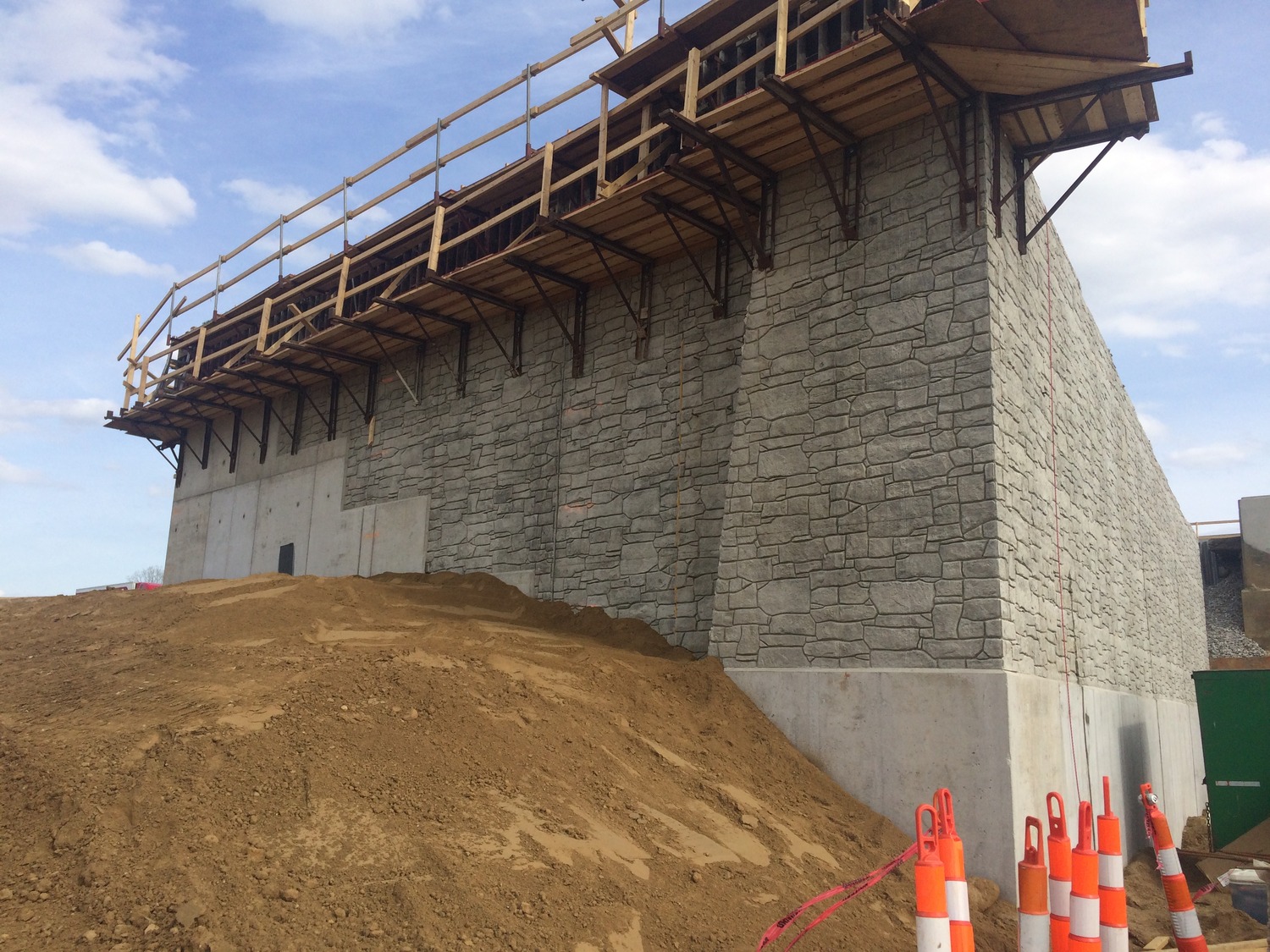
This 3.5-mile reconstruction and widening effort transformed key segments of the highway and surrounding interchanges, including the conversion of the I-94/US-127/M-50/West Avenue interchange into a diverging diamond configuration. The result is a system that reduces conflict points, improves traffic flow, and enhances overall safety for motorists.
Designing for Movement, Safety, and Access
Beyond vehicular improvements, the project introduced meaningful upgrades for non-motorized users. A pedestrian tunnel beneath the ramps and a new path over the Hurd-Marvin Drain improve connectivity and provide safer, more accessible routes across the corridor.
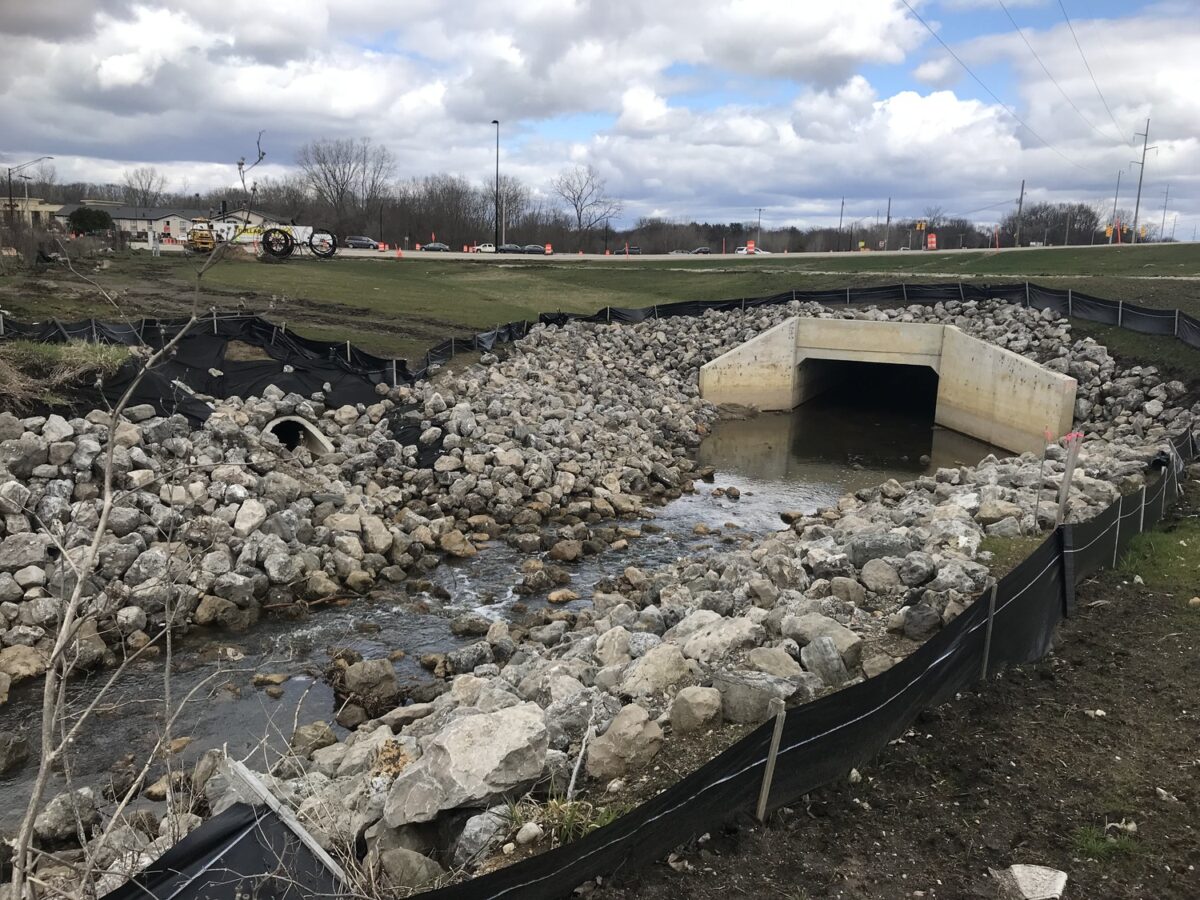
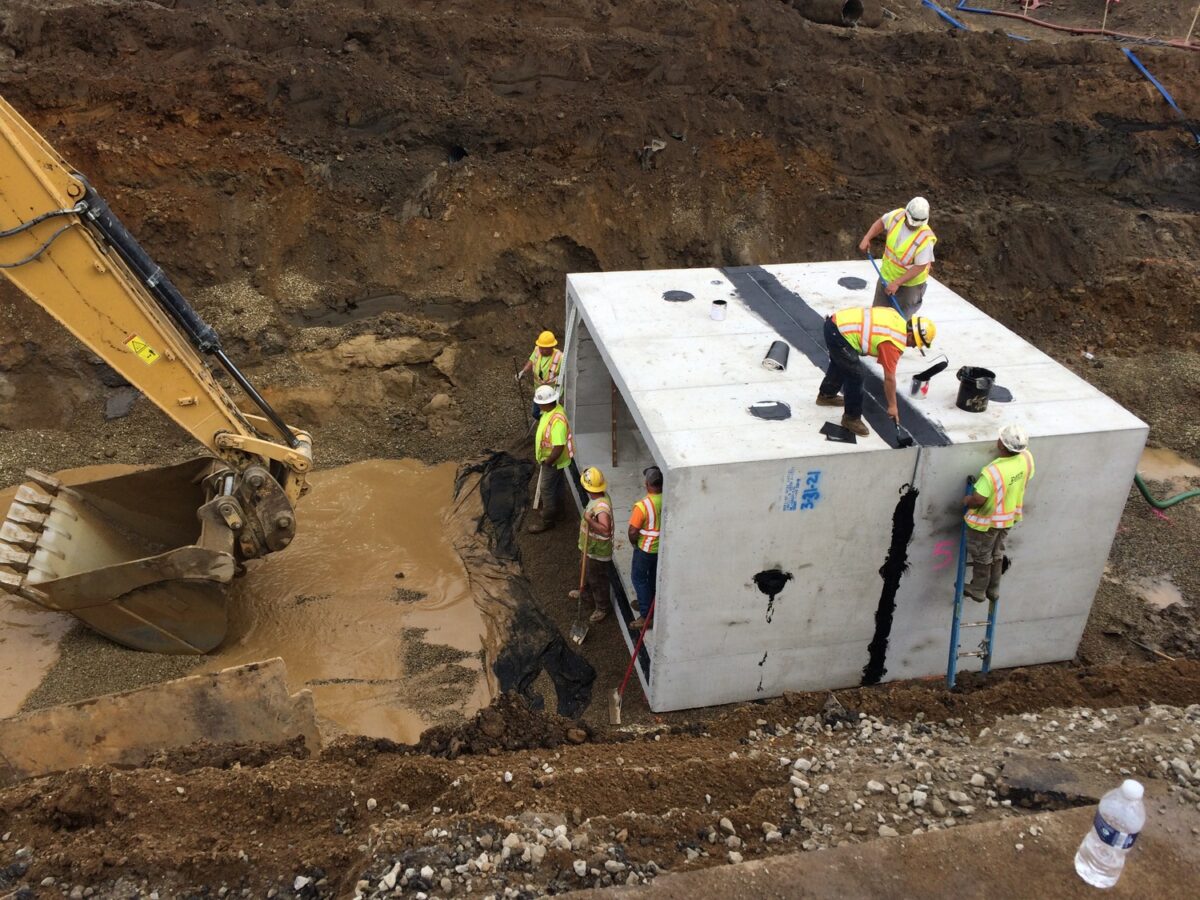
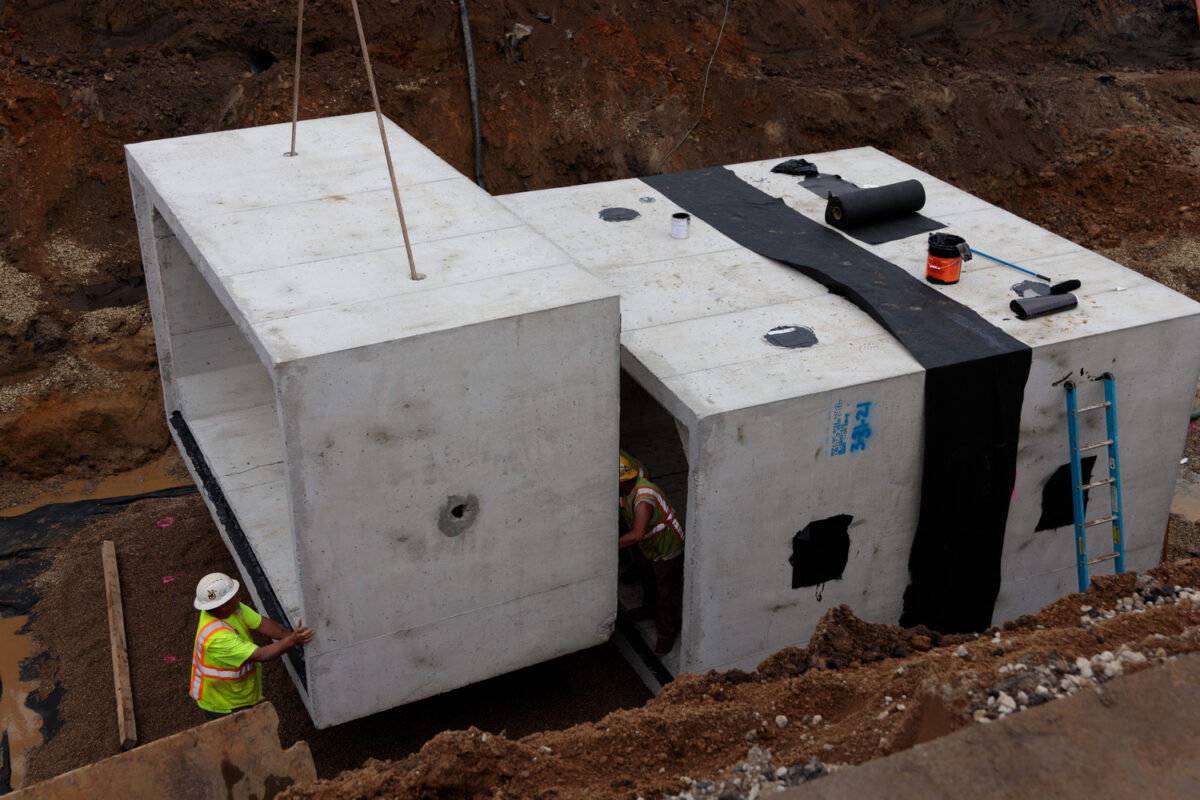
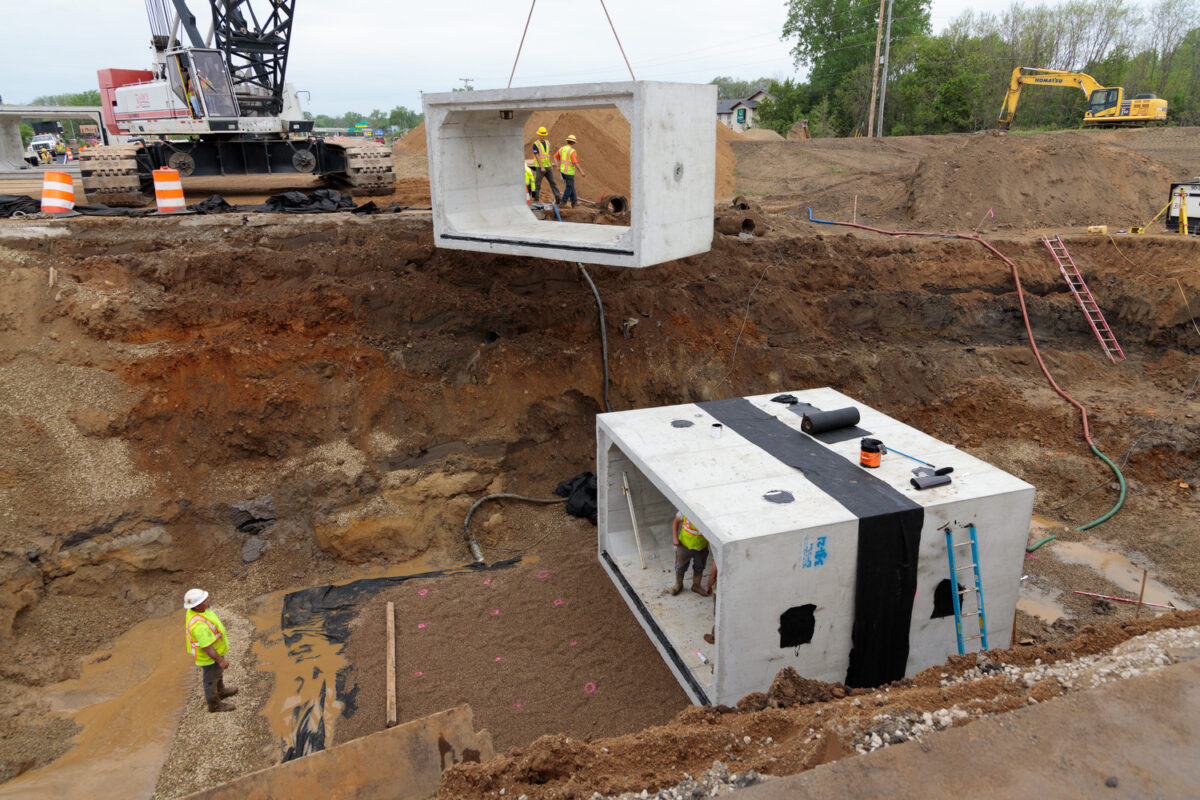
At the I-94/Elm Road interchange, a double roundabout configuration was implemented to better manage traffic patterns and reduce congestion. Supporting improvements included updated signing, pavement markings, traffic signals, and comprehensive drainage enhancements, such as culvert replacements and stormwater management systems, to improve both performance and resilience.
Delivering Under Pressure Without Compromising Safety
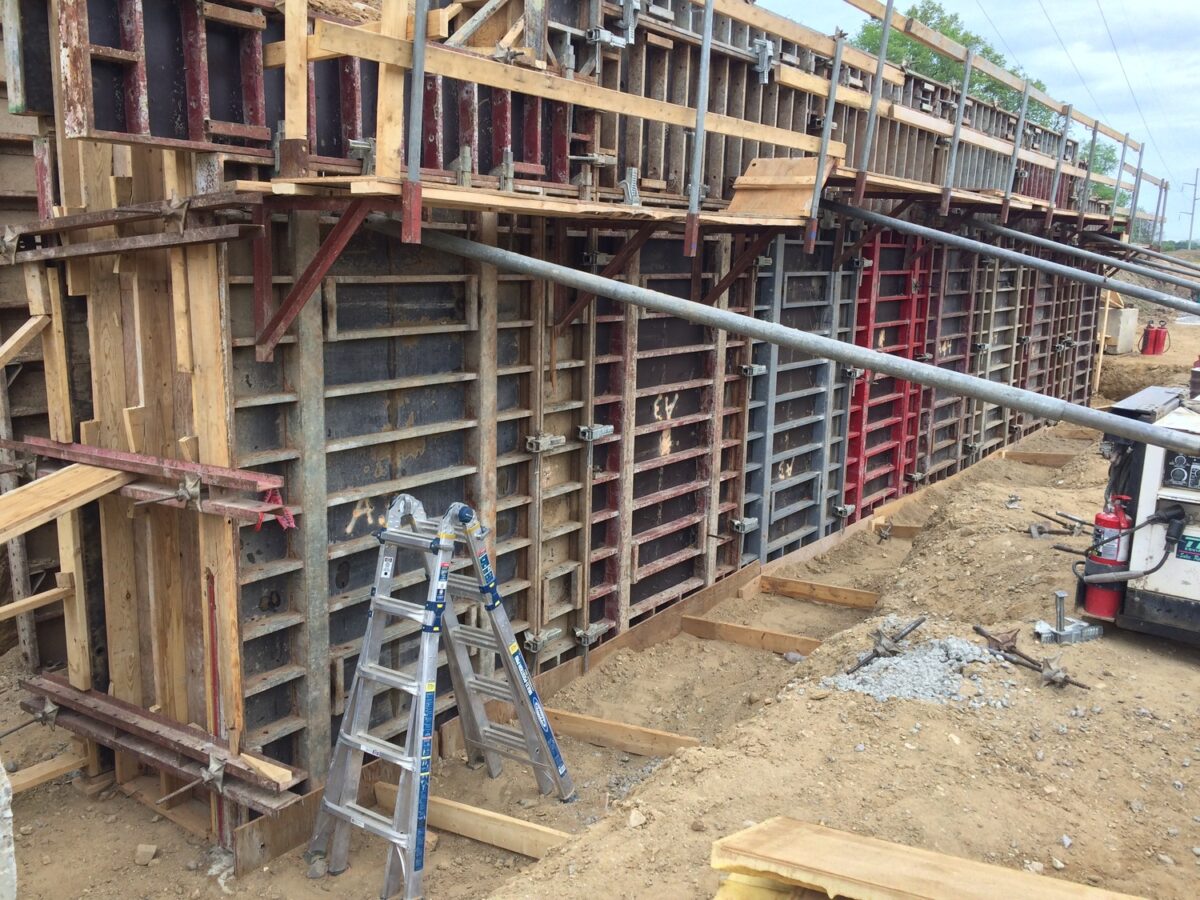
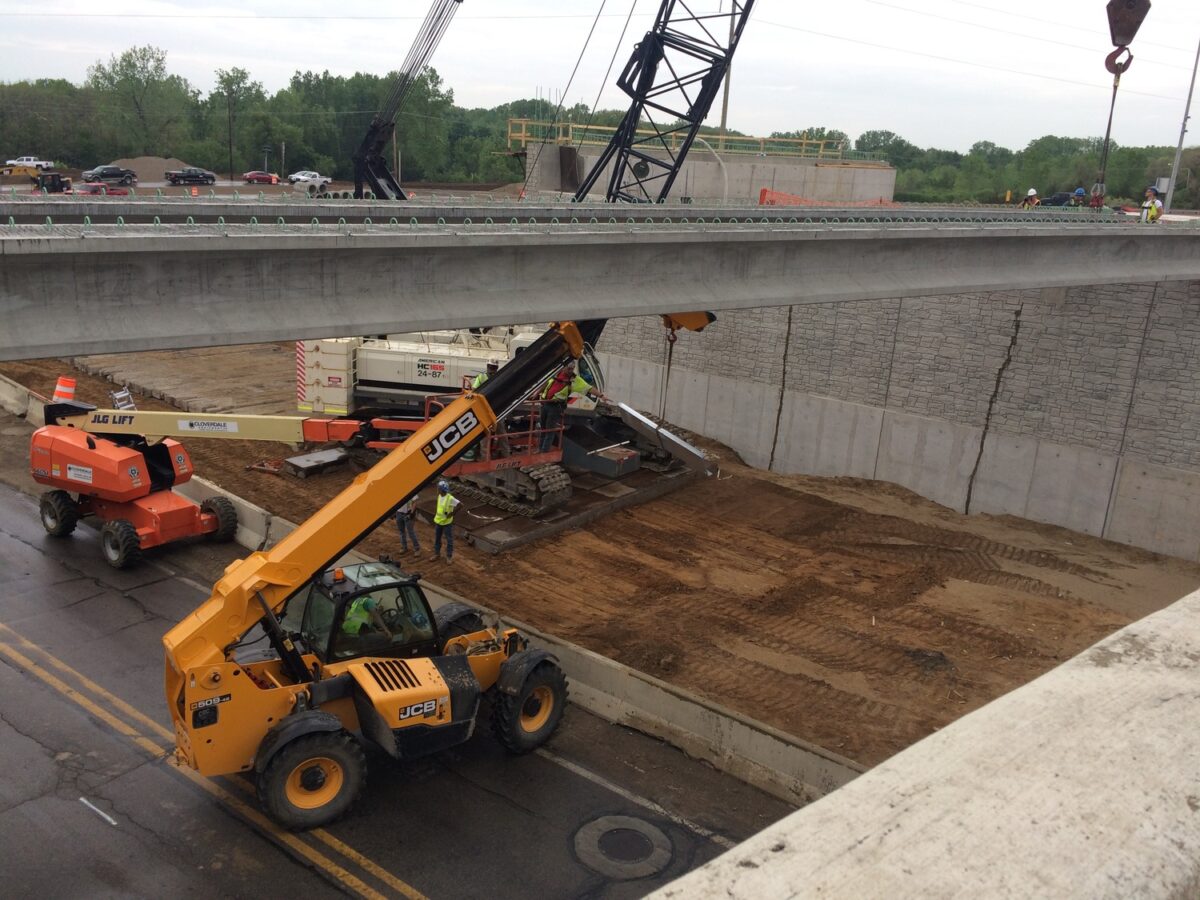
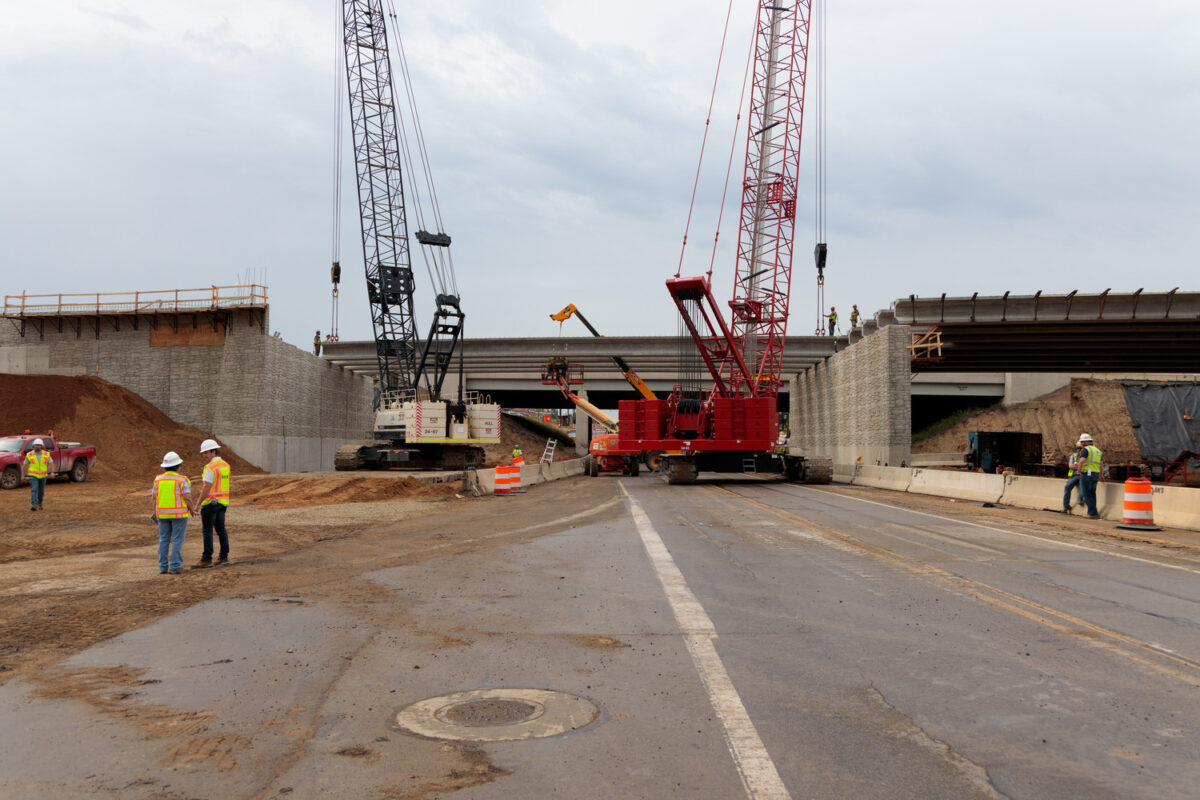
Delivered through an accelerated design-build approach, the project required complex staging to keep traffic moving while construction progressed. Coordinating work across multiple interchanges and active freeway-to-freeway movements demanded close collaboration between the design team, contractor, MDOT, and local stakeholders.
Maintaining safety for motorists, pedestrians, and construction crews remained a constant priority throughout the process. Despite the complexity and pace, the project was completed on time and within budget. The result is a more efficient, safer corridor that supports daily travel while improving how people move through the region.